
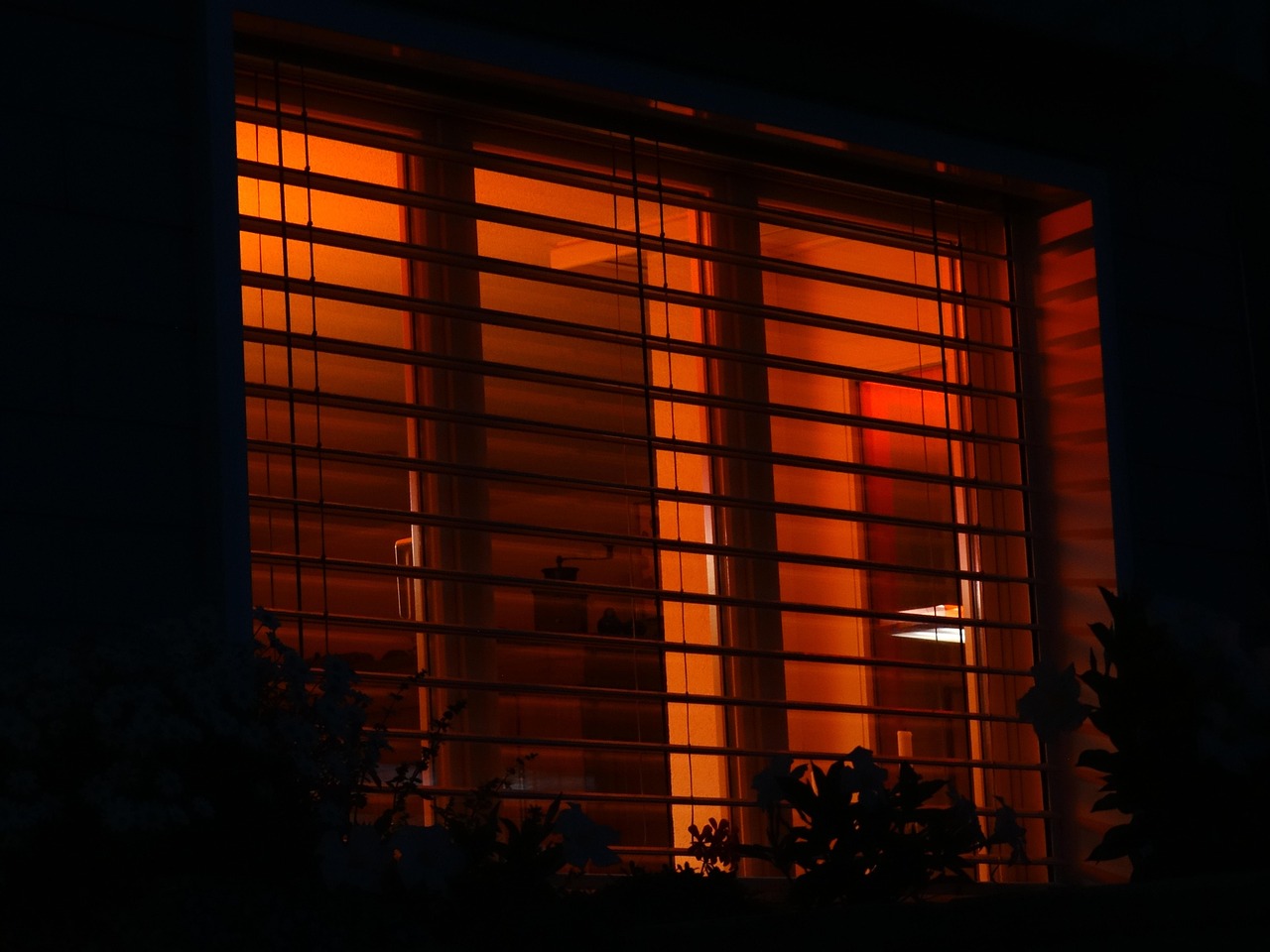
window views

What Stops Frost From Wrecking Your Morning View?

Webmaster

Cold nights in Toronto can fog or frost your glass by dawn. frost control film offers a quiet way to guard your morning view and cut chill near windows. When used well, it works with frames and glass to keep rooms more cozy.

Why Frost Forms On Glass

On winter nights, glass cools much faster than indoor air. When warm, moist room air touches that cold surface, water can condense or even freeze. Old units with thin glass and leaky frames cool faster, so frost shows up more often.

Use Window Treatments As A Frost Ally

Window treatments can add a strong buffer when they work with the glass, not against it. Thick lined drapes or layered shades help slow heat loss, yet they must still let some room air move near the pane. If heavy fabric seals tight to the frame, moist air can sit trapped and chill, which raises the chance of frost and even mold on sills.

Leave a slight gap at the top or sides, or use rods that sit a bit out from the wall, so warm air can rise behind the fabric and keep the glass closer to room temp.

Honeycomb shades, also known as cellular shades, add an air pocket that helps keep the inner side of the shade warmer. For late Winter 2026 in the GTA, a good setup might mix sheer panels for daytime with lined panels or shades for night.

Sheers stay open in daylight to let sun warm the glass, while lined layers close after dusk to cut drafts. Light colour fabrics reflect cold and help rooms feel brighter on gray days, which makes mornings more pleasant even when temps drop outside.

How Films Help The Glass

A good film adds a thin layer that slows heat loss at the surface. This change keeps the inner face of the glass a bit warmer, which makes frost less likely to form. In many Toronto homes, that small gain can shift a sweaty pane into a clear one on late winter mornings.

Pair Films With Solid Frames

No film can fully fix a badly worn frame. Gaps around sashes or warped doors let in damp air and cold drafts. When you pair film with tight frames and weatherstrips, the full system works better and both frost and fog show up less often.

Tidy Views In Winter 2026

This winter and early spring bring swings from deep chill to mild wet days across the GTA. Those shifts often raise indoor moisture, as snow on boots and coats melts inside. With the right film and vent habits, you can keep views open even on the coldest bright days.

Simple Habits That Back Up The Film

Your daily choices matter too. Run fans in baths and kitchens to move moist air outside. Keep baseboard heaters or vents free from heavy drapes so warm air can wash the glass. On clear days, open blinds for a bit to let sun and air dry frames and sills.

When To Step Up To New Units

If frost clings thick even with film and good habits, glass and frames might be near the end of their life. New windows or doors with better seals and modern glass can reduce frost risk while also cutting heat loss. Many Toronto owners plan these upgrades in stages, starting with the coldest rooms first.

window frost prevention 2026

Frosted Glass Dilemma: Is Your Home Too Dark?

Webmaster

When frost crawls across your window panes, it can look pretty—but it also steals daylight and hints at deeper issues. Winter window frost prevention starts with understanding why that ice appears in the first place. Cold exterior glass, moist indoor air, and air leaks combine to create a crystalline film that dims rooms and may damage frames. Solving the root causes brings back clarity and brightness.

Frost forms when warm, humid interior air contacts a surface that is at or below freezing. The moisture condenses and then freezes, bonding to the glass or frame. While this often happens on older, single-pane windows, even newer units can show localized frosting if conditions are right. Addressing humidity, insulation, and air movement together gives you the best chance of success.

Why Frost Forms on Interior Glass

Windows act as a boundary between warm indoor air and cold outdoor conditions. If the inner glass surface gets cold enough, water vapor in the room condenses on it. When the temperature is low, that condensation turns to frost instead of liquid droplets.

High indoor humidity from cooking, bathing, drying clothes, or even large numbers of plants can accelerate this effect. Poor ventilation traps that moisture inside, making frosting more likely and more persistent.

Step 1: Tackle Indoor Humidity Levels

Start by measuring indoor humidity with a simple hygrometer. In winter, many experts recommend keeping it in a moderate range to balance comfort with condensation control. If readings are consistently high, use bathroom and kitchen exhaust fans while generating steam and run them for several extra minutes afterward.

Consider a dehumidifier in particularly damp areas, such as basements or laundry rooms. Reducing the overall moisture load lessens the amount available to condense on cold surfaces.

Step 2: Improve Air Circulation Around Windows

Heavy curtains and furniture pushed tightly against walls can trap moist air near glass. Move furnishings a bit away from windows and open drapes or blinds during the day so air can circulate. Ceiling fans on a low setting, running in winter mode, can help distribute warm air more evenly.

Ensure that supply vents are not blocked and that warm air can reach the window area. Slightly warmer glass is less likely to fall below the frost threshold.

Step 3: Check for Drafts and Edge Leaks

Drafts around window frames and sashes create cold spots where frost often appears first. Run your hand along the edges on a cold day to feel for noticeable air movement. Caulking gaps on the exterior and adding high-quality weatherstripping on the interior can reduce these infiltrations.

Sealing leaks also improves overall comfort and can help lower heating bills. It’s a small upgrade with multiple benefits.

Step 4: Consider Glazing and Insulation Upgrades

Older single-pane windows provide little insulation, leaving interior glass near outdoor temperatures. Options to improve performance include:

  • Adding interior or exterior storm panels
  • Using removable interior insulating panels
  • Eventually replacing units with modern double- or triple-pane windows

Better-insulated windows stay warmer on the inside surface, making condensation and frost less likely.

Step 5: Daily Habits That Keep Glass Clear

On very cold days, keep blinds and curtains slightly open at the top or bottom to allow air flow. Avoid drying clothes indoors without proper ventilation, and cover aquariums or water features where practical. Wipe up any moisture before it can freeze and expand into joints or frame materials.

These small rituals help maintain a stable environment around vulnerable glass.

Bring Back Light and Clarity

Frosted windows don’t have to be a permanent winter fixture in your home. By managing humidity, boosting circulation, sealing leaks, and improving insulation, you can reclaim clear views and brighter rooms. If you want a tailored plan for your specific windows and climate, connect with our specialists and call us at Dormir Blinds.

horizontal window blinds with window coverings

Buy the Right Window Shades for Winter 2025

Webmaster

Your winter shades looked perfect in fall. By mid-January, they’re cracked, stiff, and broken. Toronto’s winters break window coverings that can’t handle freeze-thaw cycles. Understanding why they fail helps you pick better replacements.

Why Cold Breaks Materials

Plastic becomes brittle when temps drop below zero. Cheap roller shade fabric gets hard and cracks. Vinyl blinds snap. Mounting brackets weaken.

Metal parts are worse. Aluminum contracts when cold hits. If your blinds use aluminum trim or frames, they shrink and pull loose. Screws pop out. Connections fail.

Toronto temps plunge to minus eighteen or lower. That cold stress tests every material. Materials that work fine at five degrees fail fast at minus ten.

Moisture Makes It Worse

Inside your Toronto home, warm air rises to the window. Cold window glass stops the warm air. Moisture condenses. That moisture freezes if it touches shade material.

Ice buildup weighs down shades. Cords freeze solid. Mechanisms jam. Motors in smart shades burn out trying to move icy blinds.

Fabric shades absorb moisture. They swell. When temps swing back to above zero, they shrink. Constant expanding and shrinking causes seams to split. Stitching breaks.

Thermal Stress Cycles Wreck Seams

Shades experience extreme stress daily. Morning frost forms as temps drop overnight. Noon sun heats them up. Evening cold returns. This cycle repeats for four months straight.

Each cycle stresses materials at the microscopic level. Plastic gets tiny cracks. Fabric loosens at seams. Metal frames shift.

After hundreds of cycles from November through February, failures show up. That’s why March and April bring rashes of broken window shades.

Poor Installation Speeds Failure

Mounted too loose and shades rattle. Vibration from wind and cold air makes the problem worse. Mounting screws loosen from constant vibration.

Mounted too tight and the frame gets crushed. Materials can’t flex with thermal changes. Cracks form. Mechanisms seize.

Many DIY installs don’t account for thermal movement. Shades get fastened too rigidly. Materials can’t expand and contract naturally. Failure follows.

Pro installers leave one-eighth inch gap for movement. This breathing room prevents binding. Shades last longer.

Cheap Materials Give Up Fast

Budget roller shades cost forty dollars. Hardware is thin. Fabric is thin. Mechanisms are plastic.

Within one Toronto winter, these fail. Fabric tears. Rollers won’t turn. Cords break.

Mid-range shades cost one hundred to two hundred dollars. Better hardware. Thicker fabric. Metal mechanisms. These last three to five winters.

Quality shades cost three hundred to six hundred dollars. Commercial-grade materials. Steel hardware. Sealed mechanisms. These last seven to ten winters or more.

The math? Cheap shades fail, replacing them costs double. Mid-range shades survive longer. Quality shades cost more but last years longer.

Fabric Choice Matters Huge

Polyester holds up better than cotton in cold. Cotton shades get brittle. Polyester stays flexible.

Blackout material uses multiple layers. This means more seams to fail. But blackout fabric is thicker and blocks drafts better.

Thermal-backed fabric has insulating layer bonded to face fabric. That bond breaks when shades flex and freeze. Look for shades where backing is stitched, not glued.

Lining matters too. Quality Roman shades use linen lining. Budget versions use cheap cotton. Linen resists cold better.

Mechanism Breakdowns Happen Fast

Cordless roller shades use spring mechanisms. Cold stiffens the spring. Springs lose power. Shades won’t roll up.

Corded shades freeze at connection points. Ice stops the cord from sliding. Pulling harder snaps the cord.

Motorized shades have motors that can’t push against icy bindings. Motors overheat trying to move frozen blinds. This burns them out.

Cellular shades with double cells trap more air but add weight. Cold and moisture make cells droop. Sagging shades stop working right.

The Best Defense Strategy

Pick materials rated for Canadian winters. Cellular shades excel. Thermal Romans work. Roller blinds with thermal backing help.

Use professional install. Pros know how to mount for thermal movement. Pros seal all gaps. Pros use proper fasteners for your wall type.

Layer treatments for backup. If your inner shade fails, thermal curtains still provide protection.

Maintain them during winter. Keep humidity under fifty percent. This stops frost and moisture buildup. Wipe dust off monthly so it doesn’t trap moisture.

Plan to replace them every five years. Budget for this. Smart homes invest in mid-range to quality shades once every five years rather than cheap replacements every winter.

window-solution

Keep the Cold Out with Winter Window Solutions

Webmaster

Toronto’s frigid winters can significantly impact your home’s energy efficiency and comfort. Investing in high-quality window treatments is one of the most effective ways to combat the cold. Choosing the right window treatments can reduce heat loss, improve window insulation, and create a cozy atmosphere during the winter months.

Choosing the Right Windows for Your Toronto Home

When choosing window treatments for your home, several important factors must be considered to ensure you make the best decision. First, consider energy efficiency. Window insulation options like thermal curtains or cellular shades can help regulate the temperature in your home, potentially lowering heating and cooling costs. 

Light Control

Next, think about light control. Depending on the room’s purpose, you might want complete darkness in a bedroom for better sleep or soft, filtered light in a living room to create a warm and inviting atmosphere. 

Assess your specific needs, particularly for ground-floor windows where passersby may be able to see inside. Select window treatments that afford the right level of privacy while also allowing some natural light to enter. 

Aesthetics also plays a significant role in your choice; window treatments should harmonize with your overall home style and decor to enhance visual appeal. 

Budget

Lastly, establish a realistic budget for your window treatments. By exploring different options within your budget, you can find treatments that not only meet your practical needs but also elevate the look of your space, ensuring both functionality and beauty in your home.

5 Top Winter Window Treatment Solutions

  1. Thermal Curtains:
    • These heavy-duty curtains are designed to block drafts and retain heat.
    • Look for curtains made from thick, insulating fabrics like velvet, chenille, or blackout.
    • Consider lining your curtains with a thermal backing for added insulation.
    • Proper installation is key to maximizing their effectiveness.
  2. Cellular Shades:
    • These energy-efficient shades feature honeycomb-shaped cells that trap air, providing excellent insulation.
    • They come in various opacity levels, from sheer to blackout.
    • Cellular shades are easy to clean and maintain.
  3. Roman Shades:
    • Stylish and functional, Roman shades can add a touch of elegance to any room.
    • Choose fabrics with thermal properties to enhance insulation.
    • Consider adding a blackout liner for optimal energy efficiency.
  4. Draperies:
    • Drapes can provide excellent insulation, especially when paired with blackout liners.
    • Choose heavy, lined drapes for maximum warmth and privacy.
    • Proper hanging is crucial to ensure optimal performance.
  5. Window Films:
    • A cost-effective solution to reduce heat loss and UV damage.
    • Window films can be applied to existing windows and are available in various levels of transparency and insulation.

5 Tips for Optimal Performance

  1. Layer Your Treatments: Combine multiple layers of window treatments, such as curtains and shades, for maximum insulation.
  2. Proper Installation: Ensure your window treatments are installed correctly to prevent air leaks.
  3. Regular Maintenance: Clean your window treatments regularly to maintain their effectiveness.
  4. Seal Air Leaks: Seal gaps around your windows with weatherstripping or caulk.
  5. Consider Professional Installation: Consider hiring a professional for complex installations or custom treatments.

By carefully selecting and installing the right window treatments, you can significantly reduce energy consumption, improve comfort, and create a cozy home during Toronto’s cold winters.

For the perfect window treatments tailored to your needs, contact Dormir Blinds today! Our team of experts is here to help you find the ideal solutions for your home. Don’t let the cold in—reach out to us for a consultation!

1 2
Call Now