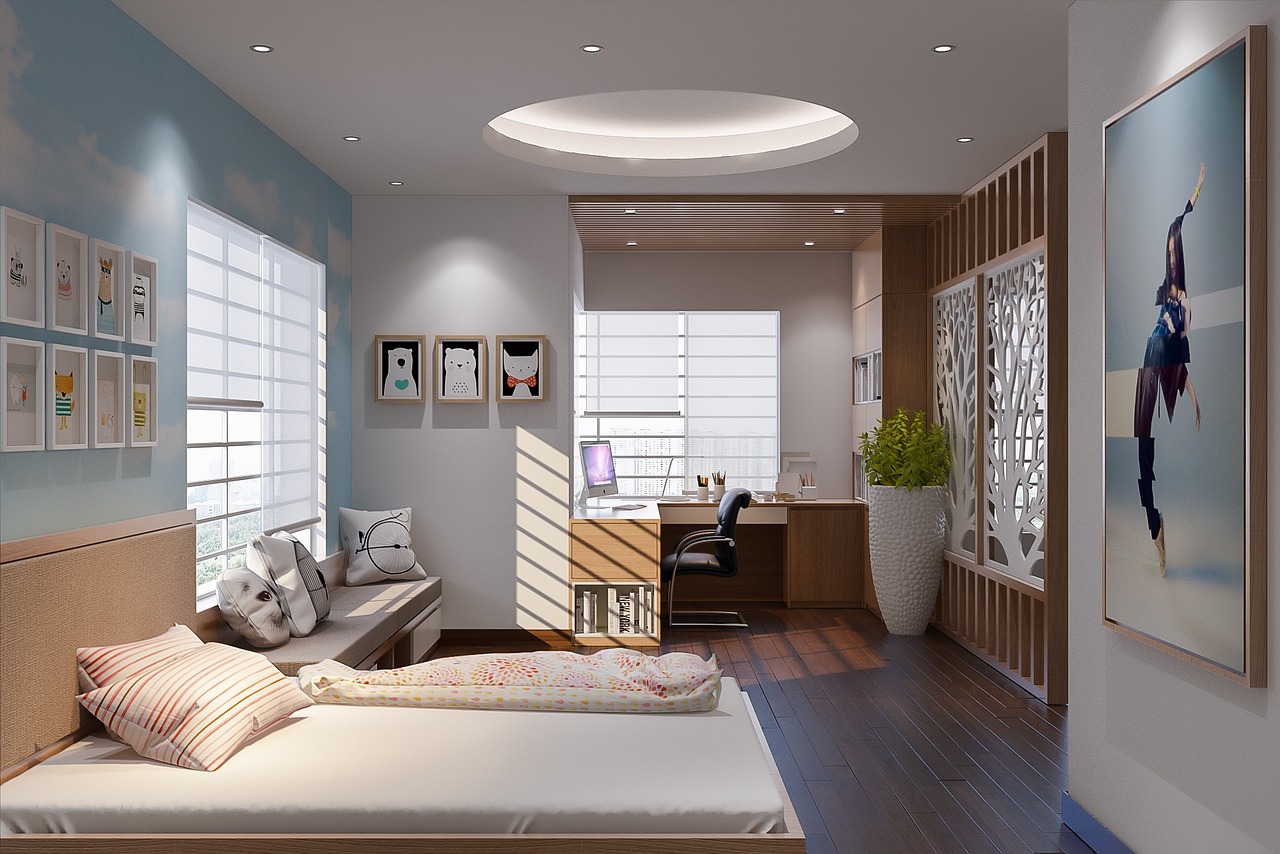
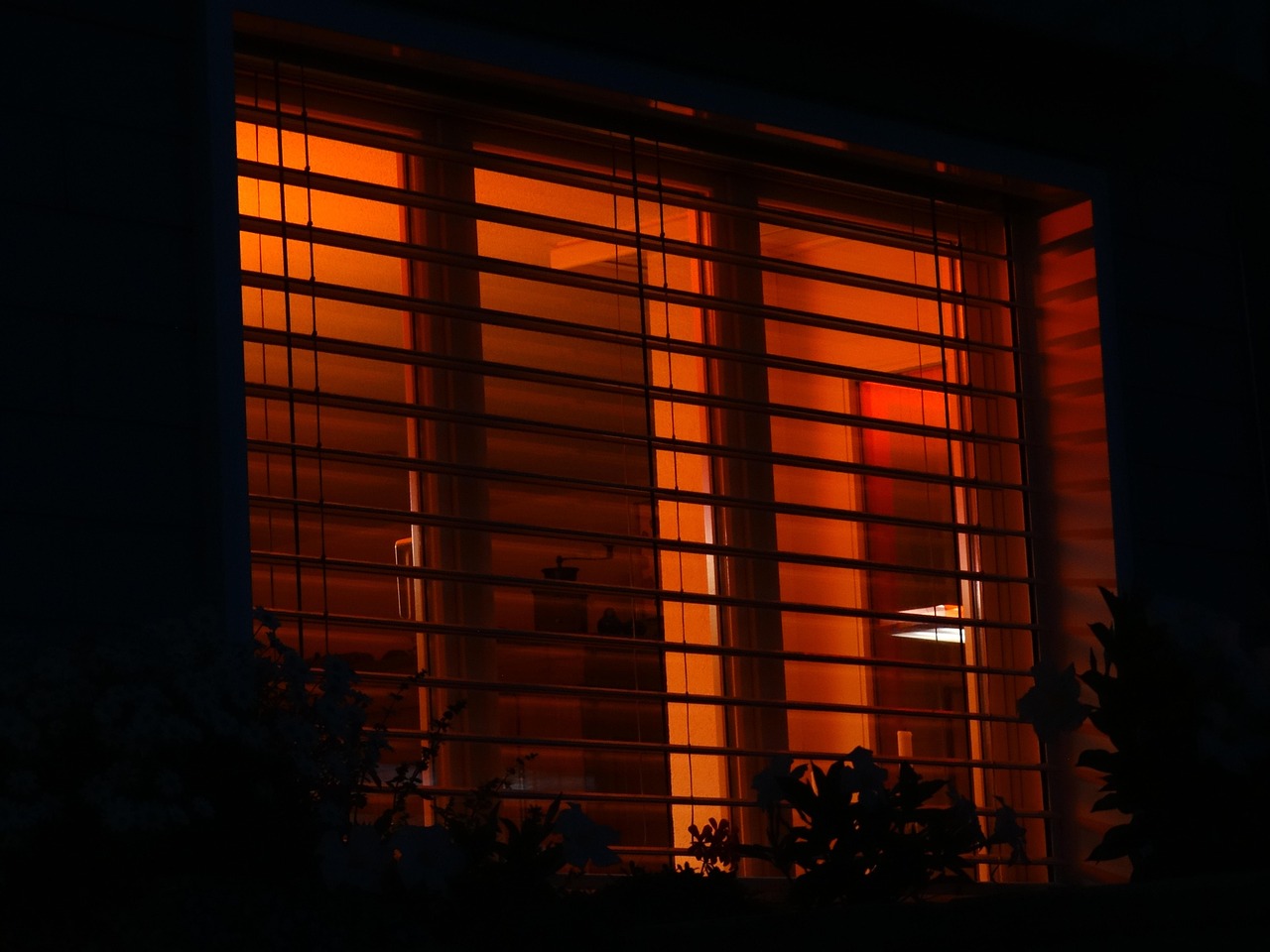
horizontal window blinds with window coverings

Buy the Right Window Shades for Winter 2025

Webmaster

Your winter shades looked perfect in fall. By mid-January, they’re cracked, stiff, and broken. Toronto’s winters break window coverings that can’t handle freeze-thaw cycles. Understanding why they fail helps you pick better replacements.

Why Cold Breaks Materials

Plastic becomes brittle when temps drop below zero. Cheap roller shade fabric gets hard and cracks. Vinyl blinds snap. Mounting brackets weaken.

Metal parts are worse. Aluminum contracts when cold hits. If your blinds use aluminum trim or frames, they shrink and pull loose. Screws pop out. Connections fail.

Toronto temps plunge to minus eighteen or lower. That cold stress tests every material. Materials that work fine at five degrees fail fast at minus ten.

Moisture Makes It Worse

Inside your Toronto home, warm air rises to the window. Cold window glass stops the warm air. Moisture condenses. That moisture freezes if it touches shade material.

Ice buildup weighs down shades. Cords freeze solid. Mechanisms jam. Motors in smart shades burn out trying to move icy blinds.

Fabric shades absorb moisture. They swell. When temps swing back to above zero, they shrink. Constant expanding and shrinking causes seams to split. Stitching breaks.

Thermal Stress Cycles Wreck Seams

Shades experience extreme stress daily. Morning frost forms as temps drop overnight. Noon sun heats them up. Evening cold returns. This cycle repeats for four months straight.

Each cycle stresses materials at the microscopic level. Plastic gets tiny cracks. Fabric loosens at seams. Metal frames shift.

After hundreds of cycles from November through February, failures show up. That’s why March and April bring rashes of broken window shades.

Poor Installation Speeds Failure

Mounted too loose and shades rattle. Vibration from wind and cold air makes the problem worse. Mounting screws loosen from constant vibration.

Mounted too tight and the frame gets crushed. Materials can’t flex with thermal changes. Cracks form. Mechanisms seize.

Many DIY installs don’t account for thermal movement. Shades get fastened too rigidly. Materials can’t expand and contract naturally. Failure follows.

Pro installers leave one-eighth inch gap for movement. This breathing room prevents binding. Shades last longer.

Cheap Materials Give Up Fast

Budget roller shades cost forty dollars. Hardware is thin. Fabric is thin. Mechanisms are plastic.

Within one Toronto winter, these fail. Fabric tears. Rollers won’t turn. Cords break.

Mid-range shades cost one hundred to two hundred dollars. Better hardware. Thicker fabric. Metal mechanisms. These last three to five winters.

Quality shades cost three hundred to six hundred dollars. Commercial-grade materials. Steel hardware. Sealed mechanisms. These last seven to ten winters or more.

The math? Cheap shades fail, replacing them costs double. Mid-range shades survive longer. Quality shades cost more but last years longer.

Fabric Choice Matters Huge

Polyester holds up better than cotton in cold. Cotton shades get brittle. Polyester stays flexible.

Blackout material uses multiple layers. This means more seams to fail. But blackout fabric is thicker and blocks drafts better.

Thermal-backed fabric has insulating layer bonded to face fabric. That bond breaks when shades flex and freeze. Look for shades where backing is stitched, not glued.

Lining matters too. Quality Roman shades use linen lining. Budget versions use cheap cotton. Linen resists cold better.

Mechanism Breakdowns Happen Fast

Cordless roller shades use spring mechanisms. Cold stiffens the spring. Springs lose power. Shades won’t roll up.

Corded shades freeze at connection points. Ice stops the cord from sliding. Pulling harder snaps the cord.

Motorized shades have motors that can’t push against icy bindings. Motors overheat trying to move frozen blinds. This burns them out.

Cellular shades with double cells trap more air but add weight. Cold and moisture make cells droop. Sagging shades stop working right.

The Best Defense Strategy

Pick materials rated for Canadian winters. Cellular shades excel. Thermal Romans work. Roller blinds with thermal backing help.

Use professional install. Pros know how to mount for thermal movement. Pros seal all gaps. Pros use proper fasteners for your wall type.

Layer treatments for backup. If your inner shade fails, thermal curtains still provide protection.

Maintain them during winter. Keep humidity under fifty percent. This stops frost and moisture buildup. Wipe dust off monthly so it doesn’t trap moisture.

Plan to replace them every five years. Budget for this. Smart homes invest in mid-range to quality shades once every five years rather than cheap replacements every winter.
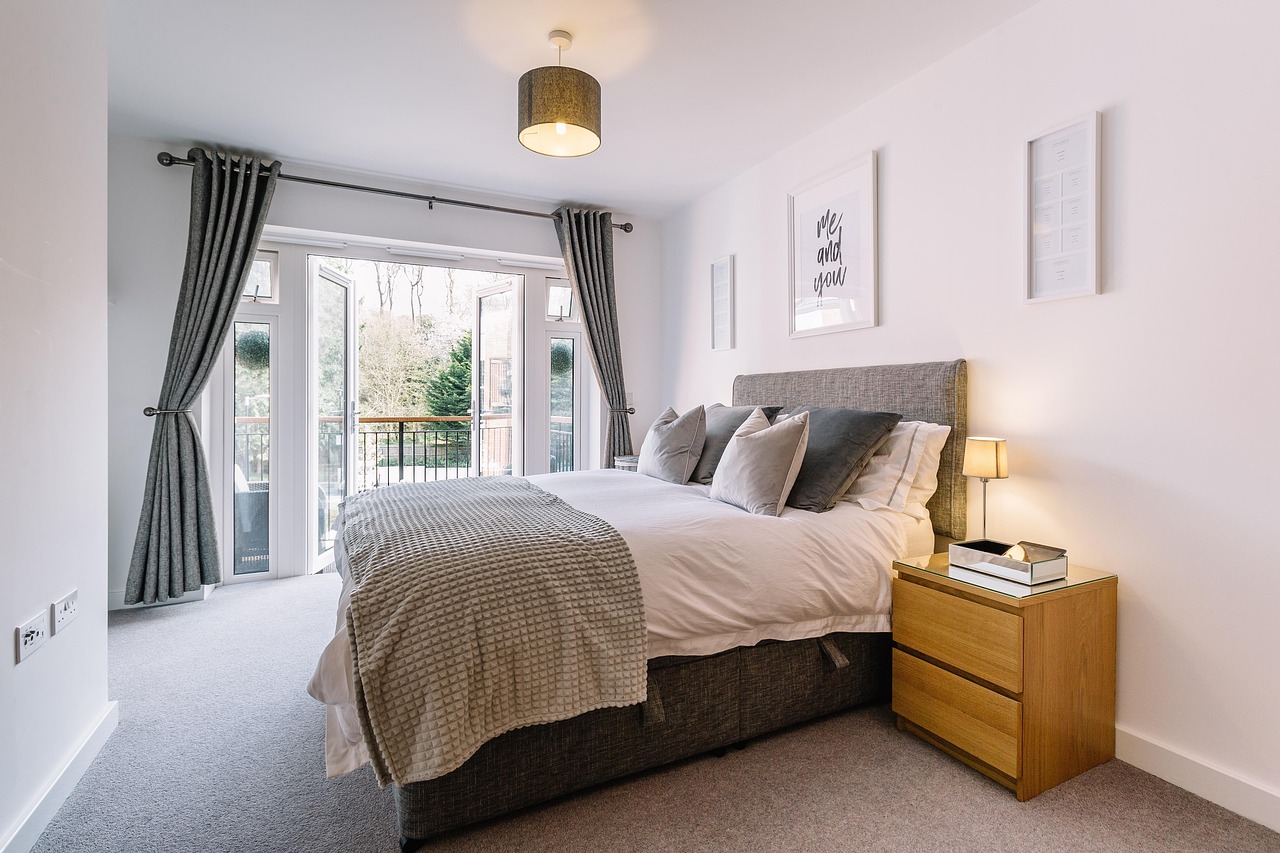

brown curtain window treatments for white bedroom

2026 Window Fiascos Toronto Residents Should Worry About

Webmaster

Toronto’s winter doesn’t wait. Icy winds test windows hard. Many homes have window treatment ideas that fail. Frost builds up. Cold pours in. Heating bills skyrocket. The worst part? Most failures are avoidable.

Problem: Wrong Window Treatments Waste Heat

Thin curtains do almost nothing. Roller blinds that don’t seal tight let drafts through. Plastic shades crack in cold. Venetian blinds with bent slats leak air.

Heat loss through windows hits ten to twenty-five percent of home energy. Uninsulated windows waste more heat than uninsulated attics. The right window treatment ideas can cut that waste by forty percent.

Solution: Cellular Shades Beat Most Options

Cellular shades rank first for insulation. Their honeycomb design traps air in pockets. This creates a dead-air space between your room and the glass.

R-value tells you how well shades block heat. Cellular shades reach R-four to R-seven. Thermal curtains reach R-one to R-three. Lay your own thermal curtains and cellular shades together? You get combined R-values up to R-ten.

Cellular shades reduce winter heat loss by forty percent or more. That cuts heating bills by about ten percent. Over ten years, savings add up fast.

Problem: Drafts Still Sneak In Around Glass

No window treatment seals perfectly. Gaps between shades and window frames leak cold air. Sides and top let air slip through. Bottom edge gaps are the worst.

That’s why one-inch air gaps remain between thermal shades and glass. Shades must sit close but not touching glass—fabric touching cold glass forms mold.

Solution: Layer Multiple Treatments

Sheer curtains plus cellular shades plus thermal curtains create three barriers. Layering traps air pockets between layers. It works like wearing three shirts instead of one thick coat.

Here’s the setup: Mount cellular shades directly on the window frame. Add thermal curtains in front. Close them both at night. This combo cuts heat loss by twenty-five percent more than single solutions.

Magnetic strips or Velcro edges tighten side gaps. Covers for the bottom rail block that gap too. Professional installs cost more but get all details right.

Problem: Frost and Condensation Cloud Views

Winter brings frozen windows. Inside surfaces frost up when humid room air hits cold glass. Temperature drops below the dew point and moisture becomes ice. Your view disappears.

Poor insulation causes this. Too much humidity makes it worse. Weak window seals let warm, moist air sneak up to the glass.

Solution: Improve Air Flow and Humidity

Keep vents clear so warm air can flow past windows. This keeps glass warm enough to prevent frost. Bathrooms need exhaust fans running during showers. Kitchens need hoods venting outside.

Dehumidifiers help. Target humidity between thirty-five and fifty percent. Too low causes dry skin and cracked wood. Too high breeds mold.

Weatherstripping seals gaps at the frame. Caulk cracks around trim. Both stop cold air from reaching the glass.

Energy Star windows have triple glazing, low-E coatings, and inert gas between panes. These cut frost risk big time. If you still see frost on Energy Star windows, broken seals are likely.

Problem: Drafts Make Heating Systems Work Overtime

Loose window treatments let warm air escape. Furnaces run harder. Winter bills climb ten to twenty dollars monthly per loose window.

Old thermal curtains are worse than no curtains. Stiff, brittle fabric lets light through where heat can follow. Broken cords make them unusable.

Solution: Upgrade to Modern Thermal Options

Roman shades with thermal linings work well. Heavy velvet or linen traps heat. Cost runs eighty to three hundred dollars per window depending on size.

Roller blinds with blackout backing block light and insulate. These cost forty to one hundred dollars per window. They work in any room.

Faux wood blinds resist moisture better than real wood. They won’t warp in humid Toronto winters. Cost runs sixty to two hundred dollars per window.

Problem: Not Matching Treatments to Room Function

Bedrooms need blackout power. Living rooms want light during day. Kitchens need easy cleaning.

Busy patterns look cool but hide dust. Dark colors absorb heat but feel gloomy. Neutral tones suit most spaces.

Solution: Think Function First

Bedrooms: Blackout cellular shades or thermal curtains. Sleeping better improves health. Energy savings feel like a bonus.

Living rooms: Light-filtering shades with decorative drapes. You get soft light during day, privacy at night.

Kitchens: Roller shades or cellular options. Easy to wipe clean. Avoid fabric that traps steam.

Bathrooms: Roller blinds with moisture-resistant material. Vented mounting lets steam escape.

Smart Window Treatments Save Money

Smart motorized blinds let you schedule adjustments. Open them in morning sun. Close at dusk. This beats manual systems that folks forget to use.

Cost runs two hundred fifty to one thousand per window depending on automation. Long-term? Smart blinds pay for themselves through energy savings.

red, orange, yellow designer drapery solutions Toronto

Chic Drapery Choices That Elevate Any Room

Webmaster

Windows are the eyes of architecture, and drapery serves as their expressive eyelashes. Designer drapery solutions Toronto homes embrace today transform ordinary spaces into curated galleries where fabric meets philosophy. Like a conductor’s baton that directs the symphony of light, texture, and color throughout your living space.

The Cultural Renaissance of Window Fashion

Contemporary interior design treats windows as blank canvases waiting for artistic expression. Designer drapery solutions Toronto specialists craft tell stories through textile choices that rival museum exhibitions. Consider how 2024’s resurgence of bold patterns and prints adds flair and character to interior spaces, moving beyond plain, solid-colored curtains toward vibrant, eye-catching designs.

Bold Patterns as Visual Literature

Geometric Poetry in Motion

2024 embraces statement-making through bold patterns and large-scale prints including candy-cane stripes, herringbone, geometric shapes, and pop-art-inspired florals. These designs function like visual punctuation marks – they create rhythm and emphasis within room compositions.

Scale as Dramatic Device

Large-scale prints work like exclamation points in interior narratives. They command attention without shouting, much like a Rothko painting that draws viewers into contemplation through sheer presence rather than complexity.

Color Stories That Speak

Toronto homes in 2024 shift from cool grey tones toward richer, warmer hues including deep greens, earthy browns, and vibrant terracotta – perfect for long Toronto winters. These palette choices reflect our collective yearning for warmth and connection.

Material Innovation as Artistic Medium

Linen’s Timeless Appeal

Linen drapery has the power to transform a room, whether left to pool for dramatic effect or tailored for crisp, structured impact. This fabric behaves like watercolor paint – it absorbs light and releases it softly, creating atmospheric depth.

Hardware as Sculptural Element

Contemporary trends move past traditional metal rods toward wood, acrylic, and natural fibers like bamboo and rattan that bring textured, contemporary feelings to window treatments. Hardware becomes sculpture that frames your textile art.

The Architecture of Hanging

Proportion and Mathematics

Proper drapery proportions follow golden ratio principles that Renaissance masters understood. Panels should puddle slightly on floors like Grecian togas, suggesting movement even in stillness. Height matters – vertical-striped drapes make ceilings appear taller, creating spatial illusions.

Layering as Compositional Technique

Smart designers layer sheers behind heavier panels like watercolor washes under oil paint. This creates depth and light modulation that shifts throughout the day like a living installation.

Function Meets Philosophy

Light Control as Art Direction

Drapery controls natural light like a cinematographer manages film lighting. Morning rays filtered through linen create soft, diffused illumination perfect for contemplation. Evening closure provides intimate cocoon effects.

Privacy as Spatial Boundary

Well-designed window treatments define public versus private zones within open floor plans. They create psychological boundaries that walls cannot provide in contemporary living spaces.

Investment in Atmospheric Design

Quality as Long-Term Vision

Custom drapery costs more initially but provides decades of service when properly maintained. Like acquiring original artwork, quality textiles appreciate in value through craftsmanship and timeless design choices.

Seasonal Adaptability

Smart drapery systems allow fabric changes that refresh rooms with seasons. Summer linens give way to winter velvets like theatrical costume changes that alter mood and atmosphere.

Professional Design Wisdom

Toronto’s top interior professionals understand that drapery installation requires precise measurements and proper hardware selection. Amateur attempts often result in proportion disasters that expensive fabrics cannot overcome.

Custom Versus Ready-Made Philosophy

Ready-made panels work like mass-produced prints – functional but lacking personality. Custom work creates one-of-a-kind installations that reflect individual taste and architectural requirements.

Drapery transcends mere function to become environmental poetry that shapes how we experience interior spaces. Like any worthwhile art form, it requires understanding of proportion, color theory, and material properties. The investment pays dividends through years of daily aesthetic pleasure and enhanced living quality.

light shines in through designer window treatments

Revamp Interiors With Chic Light-Filtering Treatments

Webmaster

Your home’s windows are begging for a style makeover that works with your daily routine. Designer window coverings experts help busy families create spaces that look amazing while handling real-world needs like privacy and light control. When you find the perfect balance, every room feels brighter and more welcoming.

How Top Brands Shape Interior Trends

Smart window treatments have become the secret weapon for interior designers across North America. Designer window coverings GTA showrooms report record demand for pieces that blend function with stunning visual appeal. Companies like Lutron and Hunter Douglas drive innovation with products that transform ordinary rooms into magazine-worthy spaces.

This shift happened because families got tired of choosing between pretty and practical. Today’s best products deliver both without compromise, which is why the market keeps growing so quickly.

What’s Driving the Light-Filtering Revolution

Gossamer sheers let sunlight filter through while softening glare for a warm, inviting glow, making them one of the hottest trends this year. Sheer shades, curtains, and blinds create luminous and airy ambiance that feels fresh and modern in any room.

Natural textures, sustainable options, bold colors, and smart technology are in, while heavy curtains and ornate styles are out. This change reflects how people actually live now – they want beauty that doesn’t require constant care or block natural light.

Current Market Winners

Both calming earthy tones and bold, vibrant hues allow for personalized approaches to interior design in 2025. Vibrant colors, energizing abstract prints, geometric shapes, and oversized floral designs give homeowners ways to express personality through window treatments.

Geometric elements with sleek linear patterns add detail, depth, and visual interest to decor, proving that simple can still be striking when done right.

Why Light Control Matters More Than Ever

People spend more time at home now, which means lighting affects mood and comfort all day long. Poor light control creates eye strain during video calls and makes rooms feel dark or harsh depending on the time of day.

Smart filtering lets you fine-tune natural light instead of blocking it completely. This approach keeps spaces feeling open while giving you control over glare and privacy when needed.

Technology That Actually Helps

Motorized shades are like a dimmer for the sun, weaving whisper-quiet privacy and UV protection into home light control systems. These systems learn your habits and adjust automatically, so you don’t need to think about it.

Remote control options work with existing smart home setups, making upgrades simple rather than complicated tech projects that require rewiring or major changes.

Layering Strategies That Work

Window shades like woven shades, roller shades, or Roman shades can layer different opacities for room darkening or light filtering, adding texture and visual interest to any space.

Start with a base layer for privacy, then add decorative elements that match your style. This approach gives you options for different times of day without looking cluttered or overdone.

Investment Perspective for Smart Buyers

Quality window treatments last 15-20 years with proper care, making them one of the best long-term home upgrades you can make. They affect energy costs, comfort, and property value while improving how your space looks and feels every day.

Toronto’s trusted professionals in custom window coverings handle everything from design through installation, making the process smooth for busy homeowners.

Professional Installation Benefits

Expert installers ensure proper fit and function, which matters more than most people realize. Poor installation causes gaps, uneven operation, and shorter product life that costs more money over time.

Professional teams also handle permits, measurements, and warranty coverage so you don’t have to worry about details that could become problems later.

Your windows deserve treatments that work as beautifully as they look. The right designer pieces transform spaces while making daily life easier and more comfortable for everyone in your family.

1 2 3 7
Call Now