

brown thermal window treatments bedroom

The 4 Coverings Turning Drafty Homes Cozy Winter 2026

Webmaster

Windows radiate cold into rooms during Toronto winters constantly. The right thermal window treatments block icy air while lowering heating costs. Most homeowners waste money on decorative options lacking insulation value. These four proven solutions deliver real comfort and savings.

Why Treatment Type Matters

Glass conducts cold directly into your living spaces throughout winter. Effective thermal window treatments create insulating barriers that trap warmth inside rooms completely. Pretty curtains without thermal properties waste your money buying them. Function must come before style in harsh climates like ours.

Covering 1: Cellular Honeycomb Shades

These engineered marvels trap air in tiny pockets brilliantly. Single-cell versions offer basic insulation at lower price points. Double-cell designs provide twice the R-value for extreme climates. Cordless options meet safety standards for homes with young children. Motorization allows remote control from your phone anywhere easily.

Top-down, bottom-up mounting gives flexibility for privacy and light. Lower sections close for privacy while tops open admitting daylight. This feature works perfectly for street-facing windows especially located. Blackout fabrics block light completely for bedrooms requiring total darkness. Light-filtering options gently diffuse harsh sunlight without eliminating it.

Covering 2: Insulated Roman Shades

Fabric folds stack neatly when raised during daytime hours. Thermal linings add R-value while maintaining elegant aesthetics throughout. Custom options fit odd-sized or shaped windows perfectly measured. Choose from hundreds of fabric patterns matching your decor. These combine beauty with function better than most alternatives.

Installation requires minimal tools and basic DIY skills only. Inside-mount versions sit within the frame looking built-in professionally. Outside-mount styles cover entire frames preventing air leaks completely. Cordless lifts operate smoothly with gentle pulls or pushes. Professional installation available if you prefer expert help instead.

Covering 3: Thermal Curtains And Drapes

Multiple fabric layers create dead air space stopping heat transfer. Foam or fleece backing adds significant insulation value instantly. Floor-length panels prevent cold air from pooling at bottoms. Extend rods six inches beyond frames for better edge sealing. Stack-back space allows full window exposure when opened wide.

Grommet tops slide easily on rods for daily operation smoothness. Pinch-pleat headers create traditional, formal appearances in formal rooms. Rod-pocket styles suit casual spaces like bedrooms and family rooms. Machine-washable fabrics simplify maintenance for busy households managing everything. Blackout linings serve double duty blocking light and cold equally.

Covering 4: Insulating Window Film

Clear plastic film invisible once properly installed everywhere applied. Creates an insulating air gap between film and glass surface. Shrink with hair dryers for wrinkle-free, professional results achieved. Removable each spring without damage to paint or frames. Budget-friendly option costing under twenty dollars per window treated.

Tinted films reduce glare while adding privacy during daytime hours. Reflective versions bounce summer heat away during warmer weather months. Decorative patterns add style while insulating simultaneously in one product. UV-blocking properties protect furniture from sun damage year-round always. Kits include everything needed except scissors and hair dryers.

Combine Treatments For Maximum Performance

Layer cellular shades with curtains for extreme cold protection needed. Close shades first, then pull drapes over top completely. This double barrier stops even the worst arctic blasts. Open both during sunny days for free passive solar heating. Close at dusk to trap captured warmth inside overnight.

Measure Windows Accurately Before Ordering

Width at top, middle, and bottom checking for variations. Height on left, right, and center for accurate dimensions. Depth of window frame for inside-mount fitting options. Obstruction locations like handles or locks affecting placement. Multiple windows often vary despite appearing identical always.

Budget For Quality That Lasts

Cheap treatments fail within two years requiring replacement buying. Mid-range options balance cost and performance reasonably well together. Premium products last decades with proper care and maintenance. Calculate cost per year rather than upfront price alone. Energy savings offset higher initial investments quickly in cold climates.

Install Before Peak Winter Arrives

January offers perfect timing for thermal upgrade projects starting now. You’ll immediately feel comfort improvements in treated rooms. Energy bills drop starting with your very next statement. Work room by room to spread costs across several months. Prioritize bedrooms and main living areas first for impact.

Your windows control more than just views outside homes. They determine comfort levels and energy costs throughout winter months. These four thermal treatments proven to deliver real results consistently. Toronto’s brutal winters demand proper window protection always required. Stop shivering and start saving with smart upgrades today. Your cozy home awaits simple decisions made right now.

winter-window-insulation

Your Windows Are Hemorrhaging Heat (And Dollars)

Webmaster

January heating bills shock Toronto homeowners each year without fail. Proper winter window insulation cuts costs by twenty to thirty percent instantly. Your windows leak more energy than walls or doors. Fixing this problem pays for itself within one season.

The Invisible Money Drain

Heat escapes through glass faster than any other surface. Quality winter window insulation creates barriers stopping this expensive heat loss from happening. Single-pane windows perform worst, wasting money constantly throughout winter. Even newer windows underperform without additional help during extreme cold.

Test For Leaks Right Now

Hold a lit incense stick near window edges today. Watch smoke movement revealing exactly where air escapes out. Feel for drafts with your hand on windy days. Check for condensation forming between panes indicating seal failure. Interior frost patterns show severe insulation problems needing immediate fixes.

Weatherstripping Stops Drafts Fast

Self-adhesive foam strips seal gaps around movable sashes easily. V-channel strips work better for sliding windows specifically designed. Replace old, compressed weatherstripping that lost effectiveness over time. This fix costs under twenty dollars per window typically. You’ll feel the difference instantly after proper installation everywhere.

Window Film Adds Insulation Layers

Clear plastic film creates dead air space improving R-value. Shrink film with hair dryers for wrinkle-free, nearly invisible results. Kits cost about fifteen dollars and last entire seasons. This solution works great for rental properties you can’t modify. Remove film in spring without damaging paint or frames.

Cellular Shades Trap Air Beautifully

Honeycomb structures create insulating pockets stopping heat transfer effectively. Top-down, bottom-up styles allow light while maintaining privacy perfectly. Blackout versions also block summer heat during warmer months. Motorized options integrate with smart home systems for automation. These window treatments pay for themselves through energy savings.

Heavy Drapes Work When Closed

Thermal-lined curtains block cold air convection at night hours. Hang them close to glass for maximum performance achieved. Extend rods beyond frames so fabric seals edges completely. Open them during sunny days for free passive heating. Close at dusk to trap warmth inside all night.

Rope Caulk Seals Temporarily

This removable putty fills gaps without permanent installation required now. It peels off cleanly in spring without leaving residue. Perfect for rental properties where changes aren’t allowed permanently. Costs about five dollars per window treated completely. Reusable for multiple seasons if stored properly during summer.

Window Inserts Add Serious R-Value

Magnetic panels press against frames creating airtight seals quickly. Acrylic sheets custom-cut for each window opening precisely. Interior storm windows that look nearly invisible when installed. Removable panels stored easily during warmer weather months. Professional options with better performance than DIY versions available.

Address Moisture Problems Immediately

Condensation indicates serious issues beyond just energy waste. Water damages sills, frames, and surrounding walls over time. Improve ventilation in kitchens and bathrooms generating moisture constantly. Use exhaust fans during cooking and showering activities always. Dehumidifiers help in basements with chronic dampness issues.

Replace Truly Failed Windows

Cracked glass and broken seals can’t be fixed affordably. Rotted frames compromise your home’s structure over time seriously. Modern windows pay for themselves through energy savings quickly. Rebate programs reduce upfront costs significantly for qualifying homeowners. Schedule replacements for spring installation avoiding winter weather complications.

Calculate Your Potential Savings Today

Track your current heating bills for baseline comparison purposes. Implement simple fixes first to gauge improvements accurately achieved. Expect to save fifty to two hundred monthly dollars depending on home size. Money saved pays for upgrades within one to three years. Comfort improvements happen immediately even before financial payback arrives.

Start Sealing This Weekend

Buy supplies at hardware stores for under one hundred dollars total. Tackle worst-performing windows first for immediate impact felt. Work from top to bottom in each room systematically. Check your work with incense smoke tests again afterward. Plan bigger upgrades during spring for professional installation scheduling.

Your windows don’t have to drain your wallet endlessly. Simple fixes deliver dramatic results for minimal investment required. Winter insulation projects warm homes while cooling bills simultaneously. Toronto’s harsh climate demands proper window protection always. Stop heat loss before it stops your budget. Take action today before another expensive bill arrives.

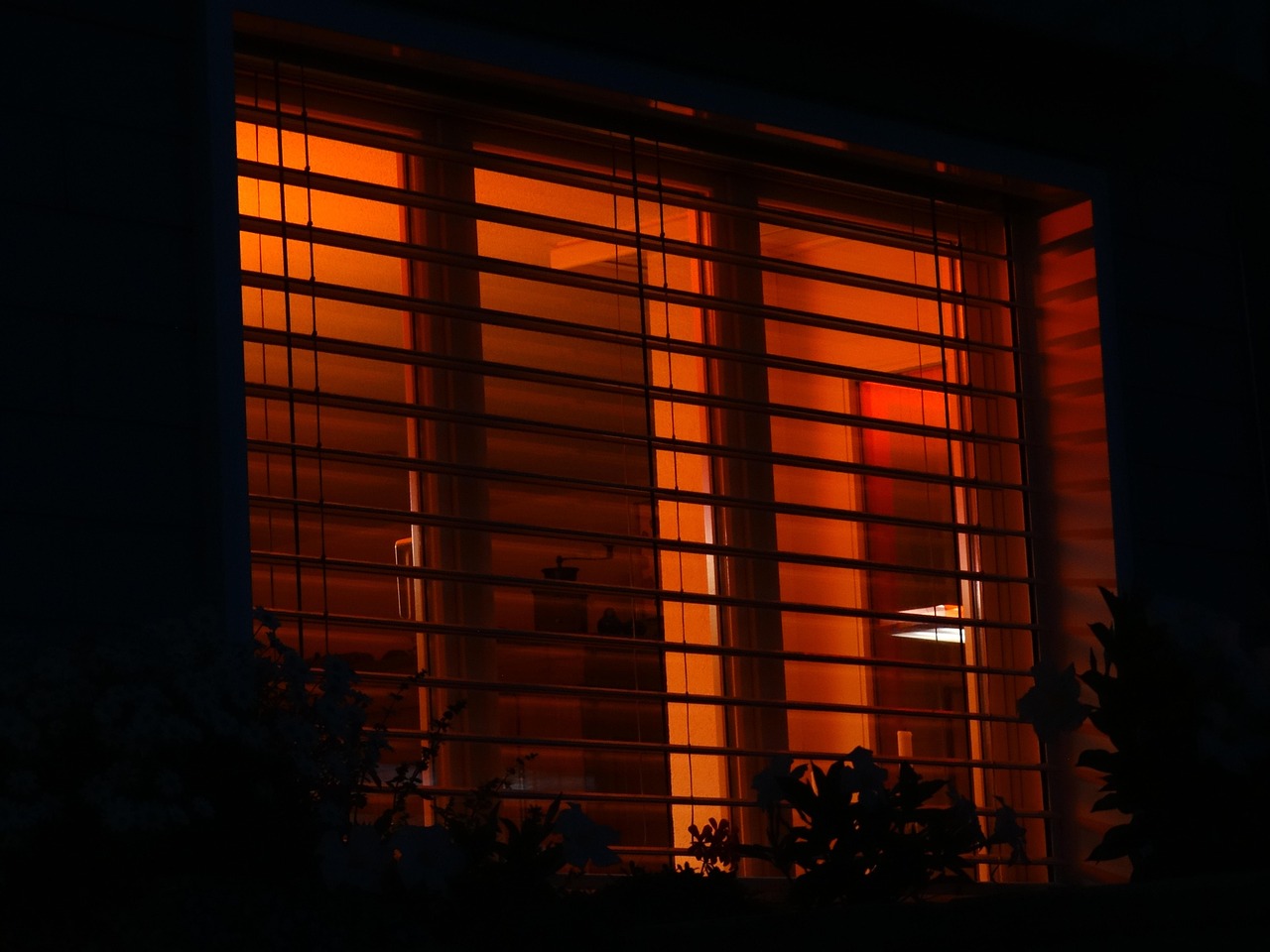
horizontal window blinds with window coverings

Buy the Right Window Shades for Winter 2025

Webmaster

Your winter shades looked perfect in fall. By mid-January, they’re cracked, stiff, and broken. Toronto’s winters break window coverings that can’t handle freeze-thaw cycles. Understanding why they fail helps you pick better replacements.

Why Cold Breaks Materials

Plastic becomes brittle when temps drop below zero. Cheap roller shade fabric gets hard and cracks. Vinyl blinds snap. Mounting brackets weaken.

Metal parts are worse. Aluminum contracts when cold hits. If your blinds use aluminum trim or frames, they shrink and pull loose. Screws pop out. Connections fail.

Toronto temps plunge to minus eighteen or lower. That cold stress tests every material. Materials that work fine at five degrees fail fast at minus ten.

Moisture Makes It Worse

Inside your Toronto home, warm air rises to the window. Cold window glass stops the warm air. Moisture condenses. That moisture freezes if it touches shade material.

Ice buildup weighs down shades. Cords freeze solid. Mechanisms jam. Motors in smart shades burn out trying to move icy blinds.

Fabric shades absorb moisture. They swell. When temps swing back to above zero, they shrink. Constant expanding and shrinking causes seams to split. Stitching breaks.

Thermal Stress Cycles Wreck Seams

Shades experience extreme stress daily. Morning frost forms as temps drop overnight. Noon sun heats them up. Evening cold returns. This cycle repeats for four months straight.

Each cycle stresses materials at the microscopic level. Plastic gets tiny cracks. Fabric loosens at seams. Metal frames shift.

After hundreds of cycles from November through February, failures show up. That’s why March and April bring rashes of broken window shades.

Poor Installation Speeds Failure

Mounted too loose and shades rattle. Vibration from wind and cold air makes the problem worse. Mounting screws loosen from constant vibration.

Mounted too tight and the frame gets crushed. Materials can’t flex with thermal changes. Cracks form. Mechanisms seize.

Many DIY installs don’t account for thermal movement. Shades get fastened too rigidly. Materials can’t expand and contract naturally. Failure follows.

Pro installers leave one-eighth inch gap for movement. This breathing room prevents binding. Shades last longer.

Cheap Materials Give Up Fast

Budget roller shades cost forty dollars. Hardware is thin. Fabric is thin. Mechanisms are plastic.

Within one Toronto winter, these fail. Fabric tears. Rollers won’t turn. Cords break.

Mid-range shades cost one hundred to two hundred dollars. Better hardware. Thicker fabric. Metal mechanisms. These last three to five winters.

Quality shades cost three hundred to six hundred dollars. Commercial-grade materials. Steel hardware. Sealed mechanisms. These last seven to ten winters or more.

The math? Cheap shades fail, replacing them costs double. Mid-range shades survive longer. Quality shades cost more but last years longer.

Fabric Choice Matters Huge

Polyester holds up better than cotton in cold. Cotton shades get brittle. Polyester stays flexible.

Blackout material uses multiple layers. This means more seams to fail. But blackout fabric is thicker and blocks drafts better.

Thermal-backed fabric has insulating layer bonded to face fabric. That bond breaks when shades flex and freeze. Look for shades where backing is stitched, not glued.

Lining matters too. Quality Roman shades use linen lining. Budget versions use cheap cotton. Linen resists cold better.

Mechanism Breakdowns Happen Fast

Cordless roller shades use spring mechanisms. Cold stiffens the spring. Springs lose power. Shades won’t roll up.

Corded shades freeze at connection points. Ice stops the cord from sliding. Pulling harder snaps the cord.

Motorized shades have motors that can’t push against icy bindings. Motors overheat trying to move frozen blinds. This burns them out.

Cellular shades with double cells trap more air but add weight. Cold and moisture make cells droop. Sagging shades stop working right.

The Best Defense Strategy

Pick materials rated for Canadian winters. Cellular shades excel. Thermal Romans work. Roller blinds with thermal backing help.

Use professional install. Pros know how to mount for thermal movement. Pros seal all gaps. Pros use proper fasteners for your wall type.

Layer treatments for backup. If your inner shade fails, thermal curtains still provide protection.

Maintain them during winter. Keep humidity under fifty percent. This stops frost and moisture buildup. Wipe dust off monthly so it doesn’t trap moisture.

Plan to replace them every five years. Budget for this. Smart homes invest in mid-range to quality shades once every five years rather than cheap replacements every winter.

brown curtain window treatments for white bedroom

2026 Window Fiascos Toronto Residents Should Worry About

Webmaster

Toronto’s winter doesn’t wait. Icy winds test windows hard. Many homes have window treatment ideas that fail. Frost builds up. Cold pours in. Heating bills skyrocket. The worst part? Most failures are avoidable.

Problem: Wrong Window Treatments Waste Heat

Thin curtains do almost nothing. Roller blinds that don’t seal tight let drafts through. Plastic shades crack in cold. Venetian blinds with bent slats leak air.

Heat loss through windows hits ten to twenty-five percent of home energy. Uninsulated windows waste more heat than uninsulated attics. The right window treatment ideas can cut that waste by forty percent.

Solution: Cellular Shades Beat Most Options

Cellular shades rank first for insulation. Their honeycomb design traps air in pockets. This creates a dead-air space between your room and the glass.

R-value tells you how well shades block heat. Cellular shades reach R-four to R-seven. Thermal curtains reach R-one to R-three. Lay your own thermal curtains and cellular shades together? You get combined R-values up to R-ten.

Cellular shades reduce winter heat loss by forty percent or more. That cuts heating bills by about ten percent. Over ten years, savings add up fast.

Problem: Drafts Still Sneak In Around Glass

No window treatment seals perfectly. Gaps between shades and window frames leak cold air. Sides and top let air slip through. Bottom edge gaps are the worst.

That’s why one-inch air gaps remain between thermal shades and glass. Shades must sit close but not touching glass—fabric touching cold glass forms mold.

Solution: Layer Multiple Treatments

Sheer curtains plus cellular shades plus thermal curtains create three barriers. Layering traps air pockets between layers. It works like wearing three shirts instead of one thick coat.

Here’s the setup: Mount cellular shades directly on the window frame. Add thermal curtains in front. Close them both at night. This combo cuts heat loss by twenty-five percent more than single solutions.

Magnetic strips or Velcro edges tighten side gaps. Covers for the bottom rail block that gap too. Professional installs cost more but get all details right.

Problem: Frost and Condensation Cloud Views

Winter brings frozen windows. Inside surfaces frost up when humid room air hits cold glass. Temperature drops below the dew point and moisture becomes ice. Your view disappears.

Poor insulation causes this. Too much humidity makes it worse. Weak window seals let warm, moist air sneak up to the glass.

Solution: Improve Air Flow and Humidity

Keep vents clear so warm air can flow past windows. This keeps glass warm enough to prevent frost. Bathrooms need exhaust fans running during showers. Kitchens need hoods venting outside.

Dehumidifiers help. Target humidity between thirty-five and fifty percent. Too low causes dry skin and cracked wood. Too high breeds mold.

Weatherstripping seals gaps at the frame. Caulk cracks around trim. Both stop cold air from reaching the glass.

Energy Star windows have triple glazing, low-E coatings, and inert gas between panes. These cut frost risk big time. If you still see frost on Energy Star windows, broken seals are likely.

Problem: Drafts Make Heating Systems Work Overtime

Loose window treatments let warm air escape. Furnaces run harder. Winter bills climb ten to twenty dollars monthly per loose window.

Old thermal curtains are worse than no curtains. Stiff, brittle fabric lets light through where heat can follow. Broken cords make them unusable.

Solution: Upgrade to Modern Thermal Options

Roman shades with thermal linings work well. Heavy velvet or linen traps heat. Cost runs eighty to three hundred dollars per window depending on size.

Roller blinds with blackout backing block light and insulate. These cost forty to one hundred dollars per window. They work in any room.

Faux wood blinds resist moisture better than real wood. They won’t warp in humid Toronto winters. Cost runs sixty to two hundred dollars per window.

Problem: Not Matching Treatments to Room Function

Bedrooms need blackout power. Living rooms want light during day. Kitchens need easy cleaning.

Busy patterns look cool but hide dust. Dark colors absorb heat but feel gloomy. Neutral tones suit most spaces.

Solution: Think Function First

Bedrooms: Blackout cellular shades or thermal curtains. Sleeping better improves health. Energy savings feel like a bonus.

Living rooms: Light-filtering shades with decorative drapes. You get soft light during day, privacy at night.

Kitchens: Roller shades or cellular options. Easy to wipe clean. Avoid fabric that traps steam.

Bathrooms: Roller blinds with moisture-resistant material. Vented mounting lets steam escape.

Smart Window Treatments Save Money

Smart motorized blinds let you schedule adjustments. Open them in morning sun. Close at dusk. This beats manual systems that folks forget to use.

Cost runs two hundred fifty to one thousand per window depending on automation. Long-term? Smart blinds pay for themselves through energy savings.

1 2 3 7
Call Now